

Where Do I Start?
You may have found us because you are anticipating a loss, have experienced a loss, or are supporting someone who is grieving. We are glad you are here and want to offer our help in finding the support that is most meaningful to you or the person you care about.
Information can be powerful, and having a basic understanding of what grief is and what happens when we grieve can normalize what can be an unfamiliar experience.
What Is Grief?
Grief is the natural process of adapting to a loss and learning to live with the absence of someone, or something important. Grief is a universal reaction to loss that can affect us mentally, emotionally, physically, behaviorally, socially, and spiritually.
Mourning is the outward expression of grief, and bereavement is the time of grief and mourning following a loss.
Grief exists because attachment exists… We are wired for connection. When someone dies, the bond doesn't end—we must reorganize the relationship.
Processing Grief
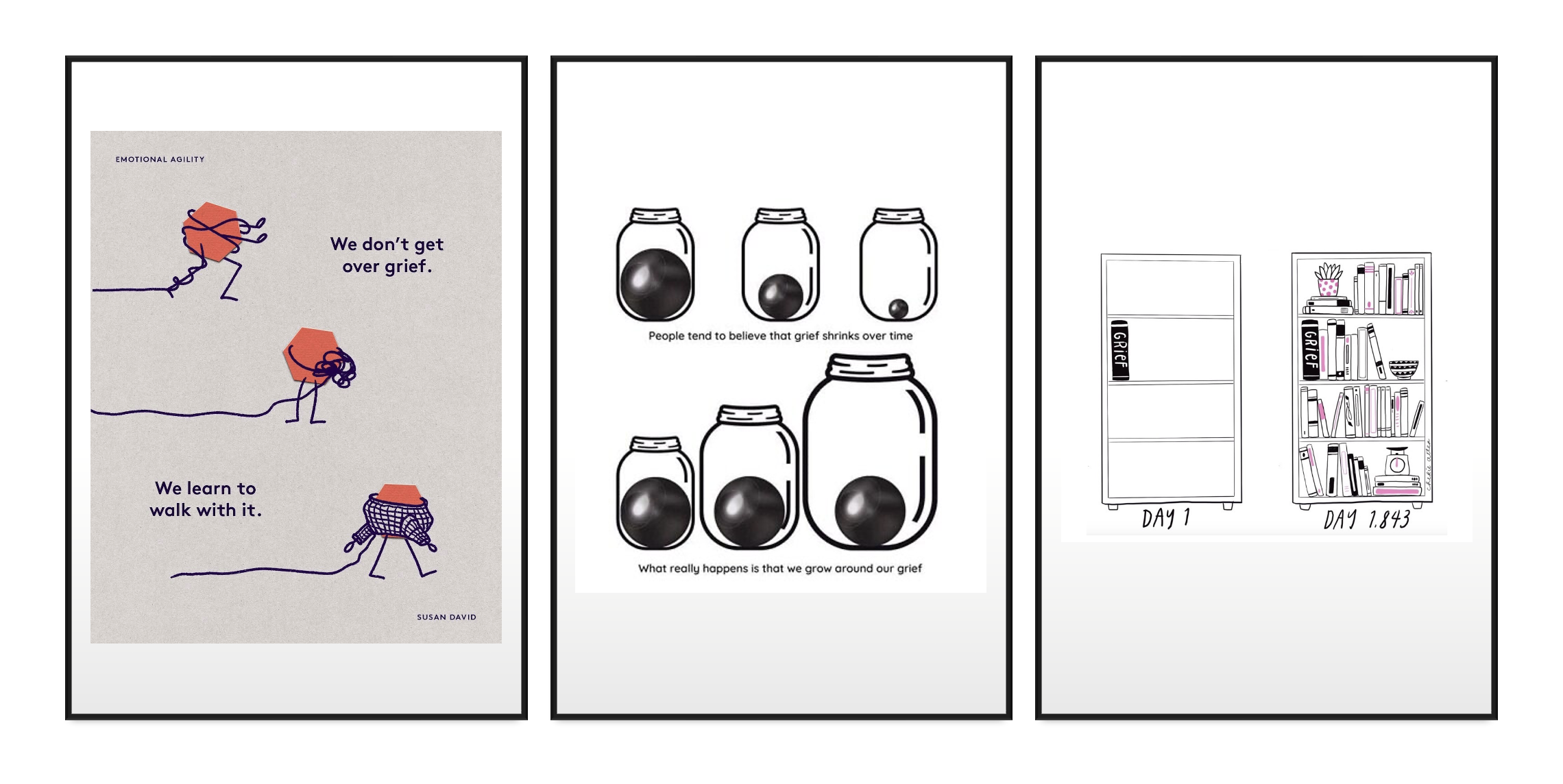
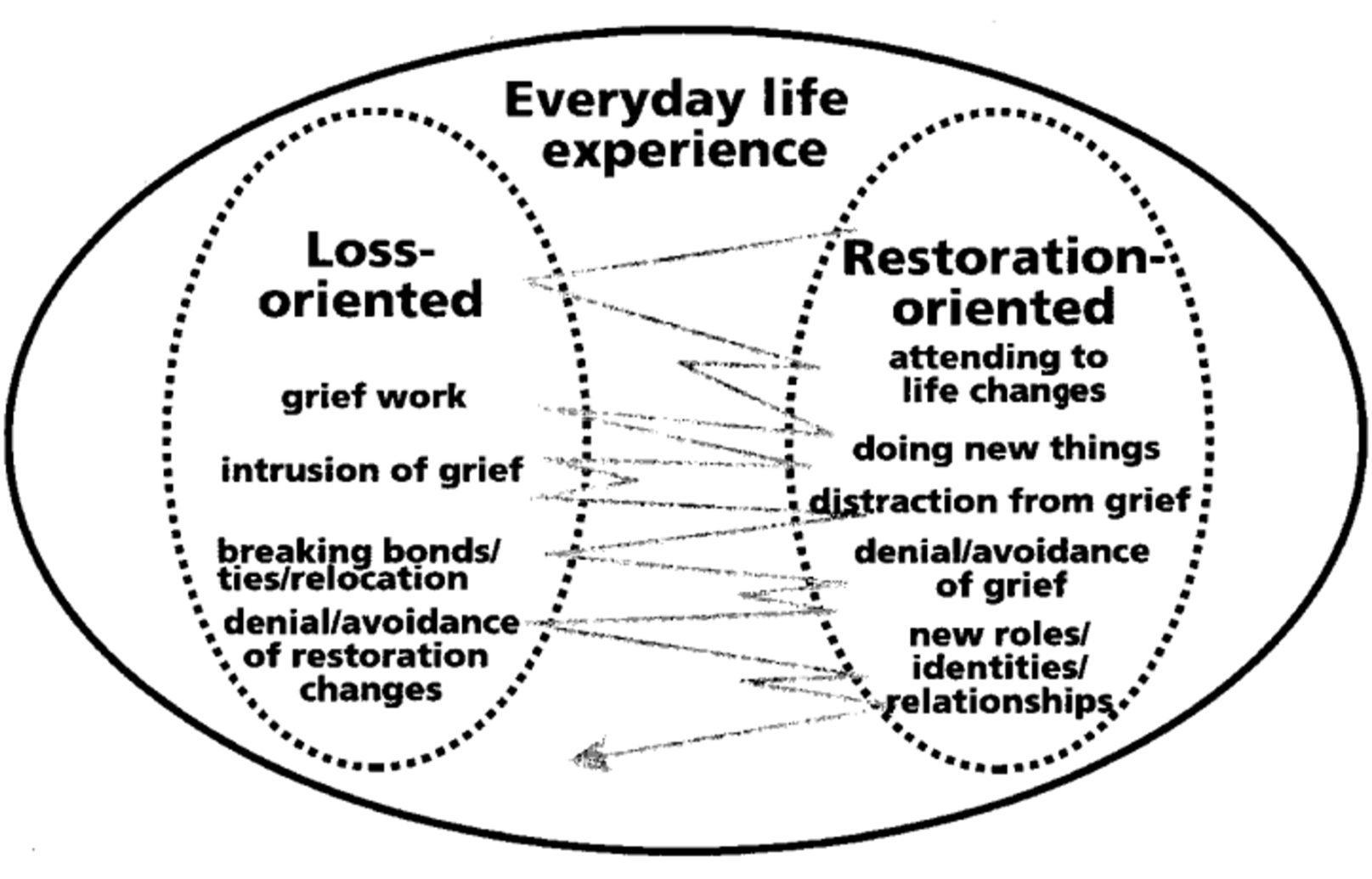
Grieving involves moving between confronting loss and restoring life, actively adjusting to a life without our person.
When we grieve, we work through our grief while simultaneously attending to life’s changes. We can’t only sit in the grief, but we can’t only avoid it either. We must oscillate between the two- spending time tending to our grief and allowing ourselves to come up for air.
There are no predictable stages, phases, or timelines to grief.
When we are grieving, our lives can feel out of control, so it is natural to want to have a roadmap of what will happen, how long we will feel this way, and how to feel better. The reality is, grieving is a process, and there isn’t a way to predict stages or timelines. With time, intention, and tending to our grief, we can heal and integrate loss into our lives.
Stroebe & Schut Dual Process Model
How We Grieve
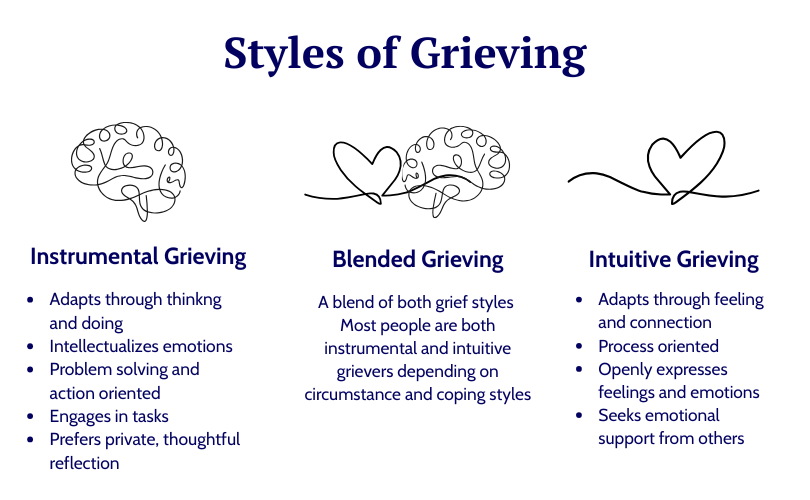
The expression of grief is unique and individual. No two people grieve in the same way.
Martin and Doka (1996) describe instrumental grievers (doers) and intuitive grievers (feelers). Doers adapt to loss through thinking, action, problem-solving, and decision-making. Feelers are more expressive with their emotions, seek support from others, and process feelings. Most of us have a blended grieving style, a combination of “doing” and “feeling”. Healing through grief requires both doing and feeling. Identifying our grief style, or others' grief styles, can help us understand our behaviors and what would feel most helpful to us.
Maintaining a Connection with Our Person
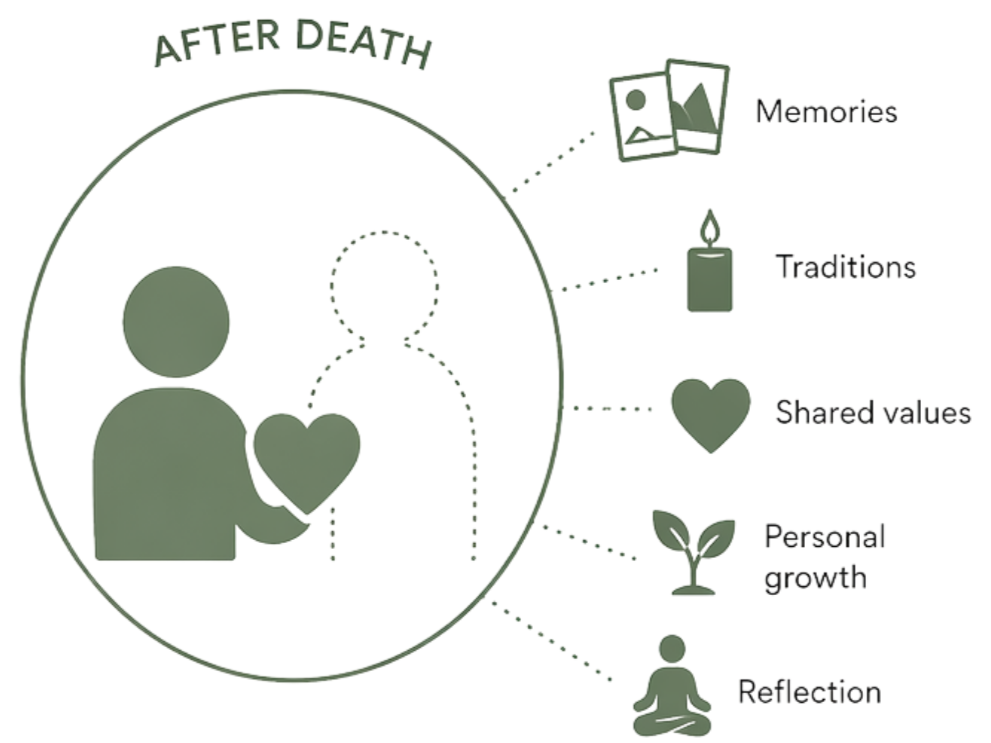
When someone dies, the bond does not end; we reorganize the relationship.
When someone dies, the relationship does not simply end. It changes form. Many people find comfort in staying connected to the person who died through memories, traditions, shared values, or quiet moments of reflection. This ongoing connection can be a meaningful part of healing, allowing the relationship t o continue even in the absence of physical presence. Over time, we learn to carry the relationship differently, reorganizing how it fits into our lives while still honoring its importance.
Klass, D., Silverman, P. R., & Nickman, S. L. (Eds.). (1996). Continuing bonds: New understandings of grief.
What Support is Right for Me?
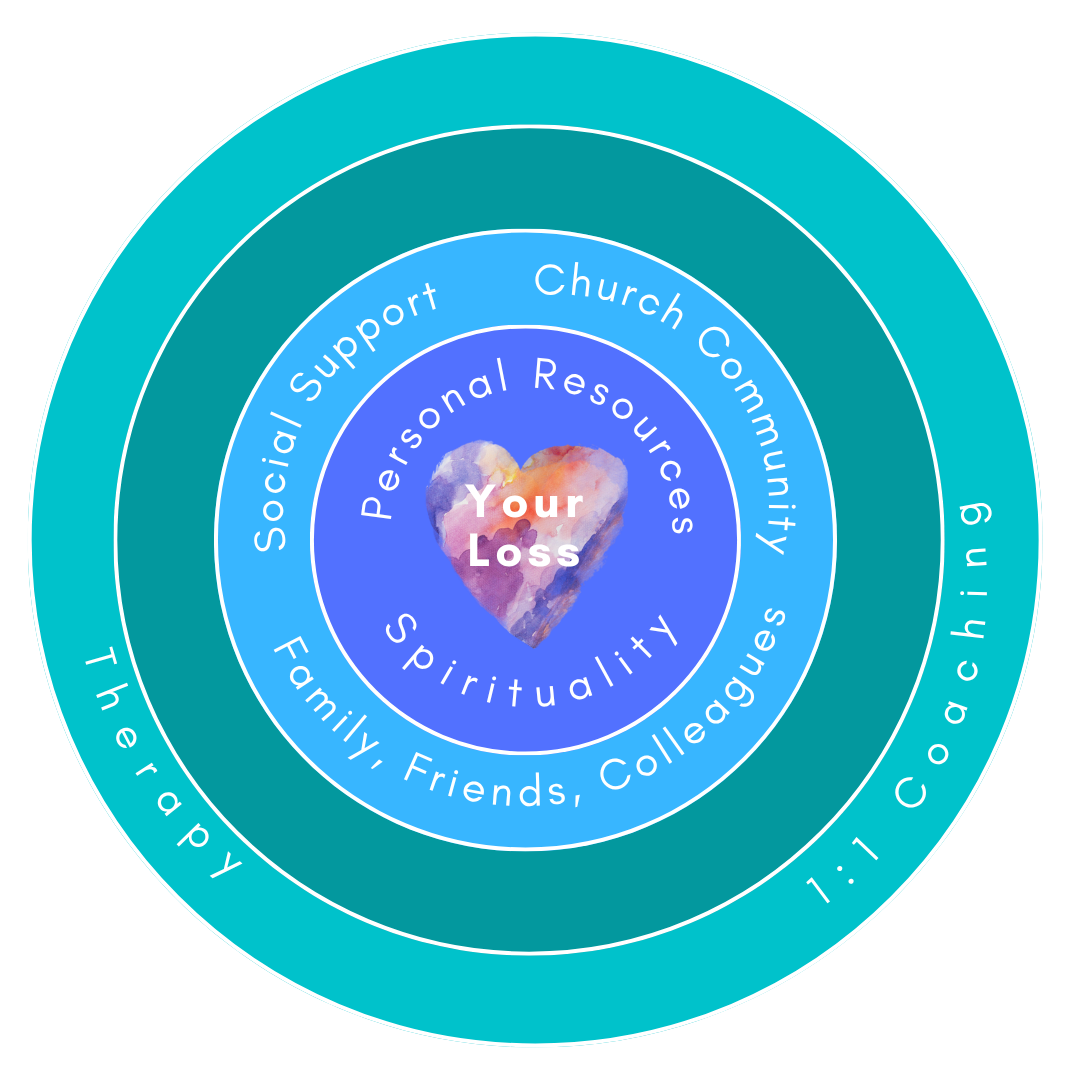
There are different types of support available after a significant loss. Consider personal relationships, support groups, and education, or professional counseling and therapy.
Access Support
At HeartLight, we offer peer-based grief support through programs and resources. Our hope is that if you have found us, we have something that is meaningful to you. We encourage you to try several groups, facilitators, or programs to find one that meets your needs at this time. Some of our most popular support options are listed below.

First Steps Seminars for Handling Financial Matters
Helpful information and resources for handling estate matters including; gathering documents, obtaining social security benefits, making life insurance claims, asset liquidation, and more.

Open Drop-In Support Groups
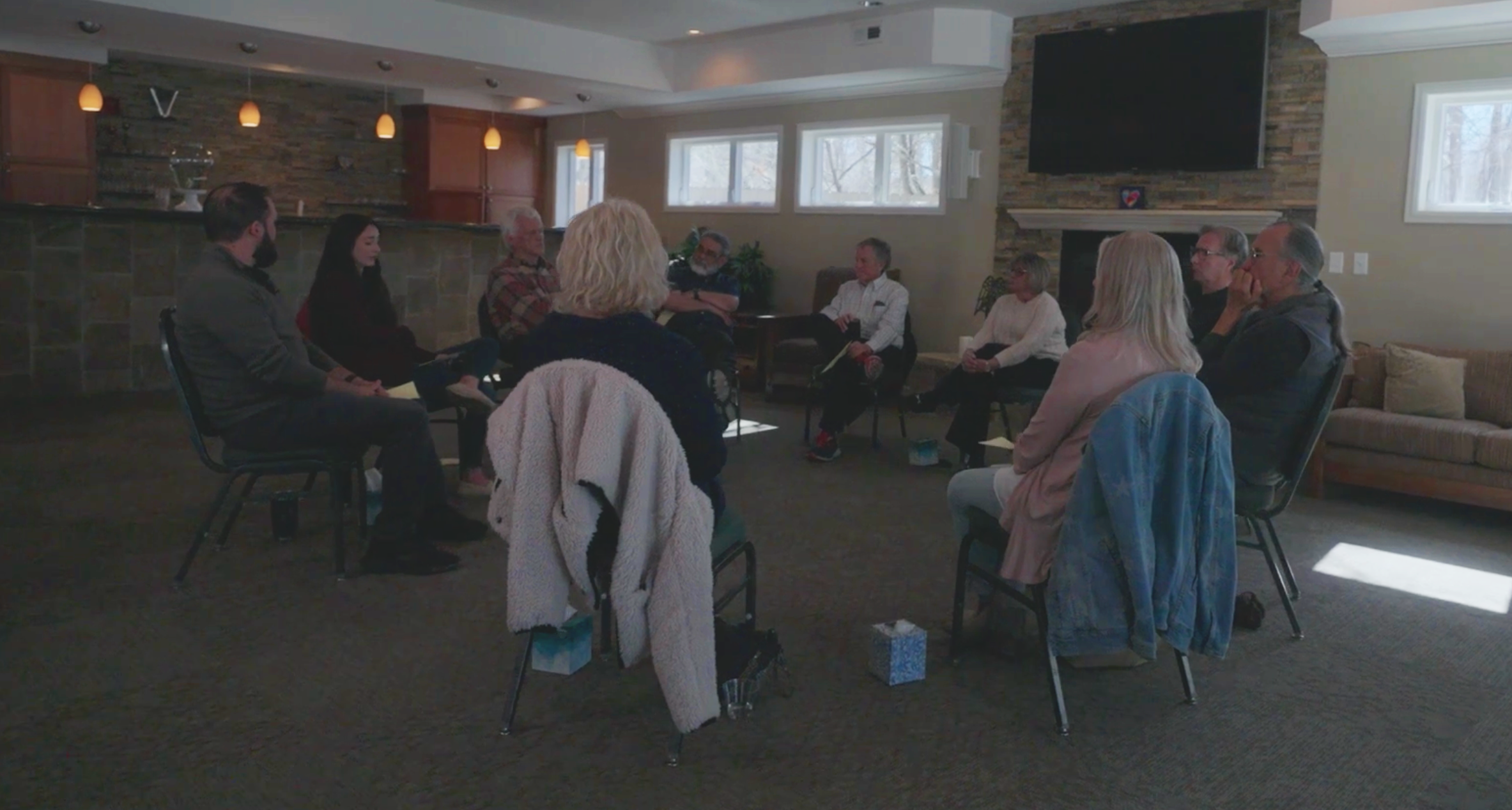
Open, drop-in groups invite people to come together with those who have similar losses. Participants may attend as often or as little as needed, and discussions are personalized to fit the needs of each group.
Guided Support Groups
Weekly, closed-group series follow a pre-defined curriculum to help guide group discussions and topics for each meeting. Including our flagship 4-week program “Facing the Mourning.”

Workshops for Grief Support
Educational and experiential workshops exploring various topics, coping methods, and activities for anyone who has experienced a loss. Workshops are offered as a series or as a one-time program.

Educational Signature Series
Presentations led by experts on various grief and loss topics. Intended for grief professionals, volunteer caregivers, and anyone who has experienced a loss.

Downloadable Resources
Printable and online resources available to help connect you with organizations, providers, and information.
Search Grief Groups and Programs
Find meaningful, accessible grief support in Colorado, Kansas City, New Mexico, Tennessee, and Wisconsin.
Let Us Guide You
We understand this may feel new, and how do you know what type of support is right? We are happy to hear your story and guide you to programs and resources that may be meaningful to you. If we don’t have what you are looking for, we will do our best to connect you with another resource that does. Please contact us or email us at Info@HeartLightCenter.org for help.