HeartLight Grief Resources
Quick Navigation
Books & Digital Resources
-
![]()
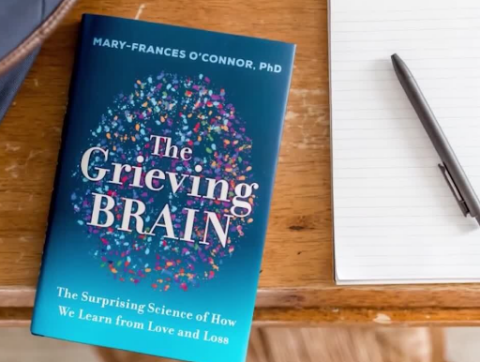
Grief Book List
-
![]()
Grief Podcasts
-
![]()
Grief Websites
-
![]()
Grief Videos




-
Grief is something that everyone experiences yet each loss and grief experience is as unique as our fingerprints. Everyone grieves at their own pace and in their own way – that doesn’t mean that anything is “wrong” with them, or with you. We grieve because we have loved.
Grief is a normal human experience, and it is a process – something to tend to. Grief is not something that people “get over” or that needs to be “fixed”. Some days will simply be easier than others.
Grief can be challenging to some relationships, but please remember that now, more than ever, people need caring and patient support of friends and family. Your true friendship, companionship, kindness and patience can mean more than you may ever know.
-
The more we know, the more we can understand. Grief can feel very isolating, lonely, and overwhelming. Grief can make us feel “crazy”, and it can feel reassuring to know that what we’re experiencing is “normal.” Here is some information about experiences that can be very typical during the grief journey, and general information that could be helpful to hear.
-
There is no right or wrong way to grieve, and no “one-size-fits-all” method, approach, activity or care. But identifying what you need, right now, and fulfilling that need, can be the best way to take good and gentle care during this time.
-
Children, teens and young adults grieve in different ways and often re-grieve as they pass different developmental milestones. Providing children with honest, age-appropriate information about a death loss will help give them a framework and understanding of what is happening. While there is not an exact script for what to say, or how to say it, being open, honest and using age-appropriate language will help create a sense of security for children, no matter what age.
-
The holiday season can be filled with emotions that can be more profound and surprising than other times of the year, especially for individuals who are grieving. Subsequently, it is common for us to ask the question: Why are the holidays so hard?
-
How we process change, transition, cope and grief is unique to each person. No two people respond to loss in the same way and there is not a time table for healing. Relationships in the workplace are unique, to some the relationship to the person who has died was a working relationship, to others a deep friendship. When there is a loss in the workplace we are impacted individually, as a team, depending on our role and as an organization, providing us with opportunities to be supported and support one another.
-
We are grieving for our person through the course of their disease, from the early signs when we start noticing the changes in our person, to the confirmation of diagnosis, to the daily changes and progression that occur during the process. We are losing our person a little bit every day. And then when the death occurs, we re-grieve for them, for all of our experiences over the course of their disease and their life prior to the disease onset. Ultimately, our person dies two deaths, and we have survived a "long goodbye" - and often the path has been a roller coaster of emotions and experiences, some good and some that have been hard, some even may have felt unbearable.
-
After a significant death loss or life transition knowing what support is available can be helpful. There is no right or wrong and learning about and trying different types of support can be the best step.
-
There has been a lot of overwhelming activity in our communities involving violence, trauma, and intense collective grief. Collective grief is when an entire community – society, nation, town, neighborhood – experiences extreme loss or change, after the impact of an event such as mass shooting, war, or natural disaster.
-
Not all stress is created equal; therefore, how we take care of ourselves has to change depending on our stress level. Download the Stress and Self-Care Continuum to use as a guide for yourself, your family, or your organization.
-
The Holidays can be tough when you are grieving, and thinking about what self-care might be helpful for you can help. We invite you to use our Holiday Care Plan worksheet for thinking through what you need right now, and through this unique time of year.
-
Significant loss can bring a heavy mix of emotional and physical reactions. While grief is a natural response to loss, it affects everyone differently. Finding gentle ways to cope can help us navigate the pain of grief and create a sense of stability as we adjust to life after loss. Here are some healthy habits to consider leaning into when you’re grieving.
Supportive Grief Information
Community Resources
-
![]()
Suicide Loss Support
-
![]()
Loss of a Child Support
-
![]()
Caregiver & Anticipatory Grief Resources
-
![]()
Support for Grieving Children
-
![]()
Grief Support for Young Adults
-
![]()
Spanish Language Resources
-
![]()
Substance Loss Support
-
![]()
LGBTQ+ Support
-
![]()
Pet Loss Support
-
![]()
Resources for Professionals









Articles About Grief

The Holidays Can Be Brutal When You’re Grieving
TIME Magazine
an article by Dr. Alan Wolfelt

HeartLight Center Coloring Pages
-
![]()
Balloon
-
![]()
Butterfly
-
![]()
Candles
-
![]()
Mandala
-
![]()
Hearts